
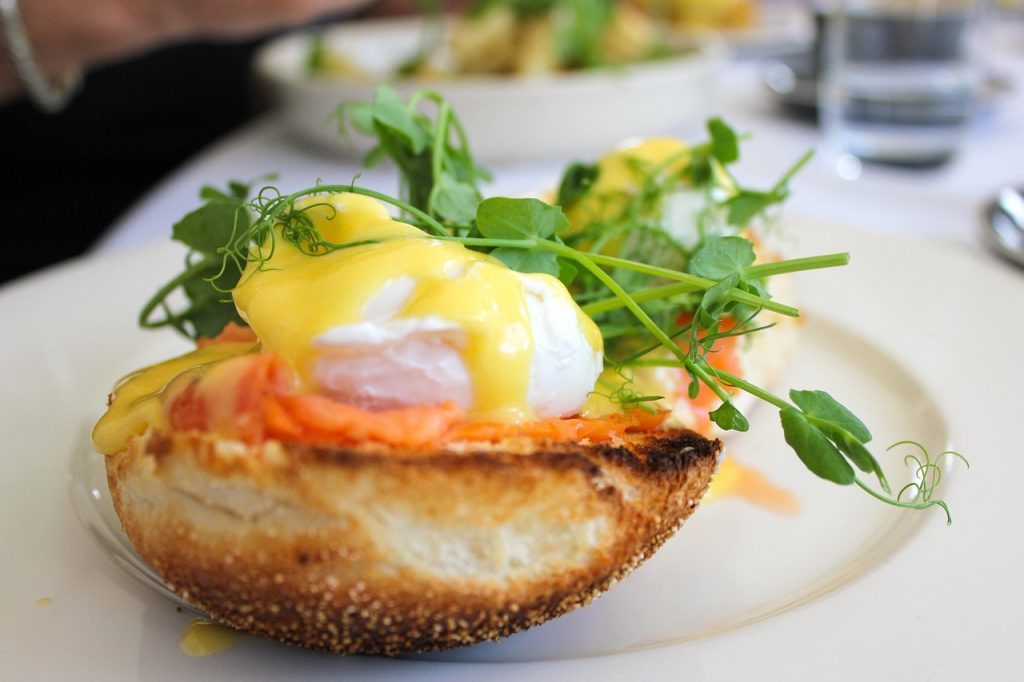
What happens when the queen of French sauces meets Japan's most beloved fermented condiment? You get Miso Hollandaise — a silky, butter-rich emulsion with a deep, savory backbone that takes your eggs Benedict, asparagus, and grilled fish to an entirely new level.
This recipe stays true to the classical French technique while adding one transformative ingredient: white miso paste. The result is everything you love about hollandaise — that glossy, velvety texture and bright lemony richness — amplified by the complex, umami-packed depth that only miso can deliver.
What Makes This Hollandaise Different
Hollandaise is one of the five French mother sauces. Its magic lies in emulsification — fat molecules from butter suspended in water-based yolks through constant whisking and controlled heat. White miso (shiro miso) is rich in glutamates — the compounds responsible for umami. When whisked into hollandaise, it adds depth without overpowering the classic flavors, contributes a subtle sweetness, and creates a beautiful flavor bridge between European and Japanese cuisine.
"Hollandaise is French discipline. Miso is Japanese soul. Together, they are something entirely new."
Ingredients (Serves 4)
- 4 egg yolks
- 250 g unsalted butter, clarified or whole
- 2 tbsp fresh lemon juice
- 2 tbsp cold water
- 1 tbsp white wine vinegar
- 1 tbsp white miso paste (shiro miso)
- ½ tsp salt
- 1 pinch white pepper, freshly ground
- 1 pinch cayenne pepper (optional)
How to Make Miso Hollandaise — Step by Step
Step 1 — Clarify the Butter
Melt 250 g unsalted butter in a small saucepan over low heat. Skim the white foam from the surface, then carefully pour the clear golden liquid into a jug, leaving the milky solids behind. Keep warm at around 60°C / 140°F. Clarified butter gives a more stable, silkier sauce — whole melted butter works too for a richer result.
Step 2 — Make the Reduction
Combine 1 tbsp white wine vinegar and 2 tbsp fresh lemon juice in a small saucepan. Bring to a gentle simmer and reduce by half. Remove from heat and cool for 1 minute. This acidic reduction is the flavour backbone of your hollandaise — don't skip it.
Step 3 — Whisk the Yolks
Place 4 egg yolks in a heatproof bowl with 2 tbsp cold water and the cooled reduction. Whisk vigorously for about 1 minute until the mixture is pale, thick, and doubled in volume.
Step 4 — Set Up the Double Boiler
Set the bowl over a saucepan of barely simmering water, ensuring the bowl's bottom does NOT touch the water. The gentle steam — not direct heat — is what thickens the yolks. Keep the heat low. Vigorous boiling will scramble your eggs.
Step 5 — Cook to Ribbon Stage
Whisk continuously over the double boiler until the mixture thickens enough to leave a ribbon trail when you lift the whisk — called ruban in French. Target temperature: 65°C / 149°F. This takes 3–4 minutes. If the mixture looks grainy, remove immediately and whisk in a splash of cold water.
Step 6 — Emulsify with Butter
Remove the bowl from the heat. Very slowly — drop by drop at first — pour in the warm clarified butter while whisking constantly. Once the sauce begins to emulsify (after roughly the first third of the butter), add the rest in a thin, steady stream. Never stop whisking. The sauce should become thick, glossy, and coat the back of a spoon.
Step 7 — Add the Miso ✨
With all the butter incorporated, add 1 tbsp white miso paste and whisk vigorously until fully dissolved. The miso blooms into the warm emulsion, releasing its deep umami character. White miso gives a delicate sweetness; red miso gives a bolder, more fermented result.
Step 8 — Season and Finish
Season with salt and white pepper — go easy, as the miso is already salty. Add a pinch of cayenne for gentle heat if desired. Adjust acidity with extra lemon juice to taste. The final sauce should be smooth, creamy, glossy, and pale golden.
Step 9 — Keep Warm and Serve
Rest the bowl over warm (not simmering) water, whisking occasionally. Serve within 1 hour. Do not refrigerate and reheat — hollandaise is a fresh sauce and must be served immediately.
What to Serve with Miso Hollandaise
- Poached eggs — the definitive pairing; a miso twist on Eggs Benedict with smoked salmon
- Steamed or grilled asparagus — the grassy sweetness is a perfect counterpoint
- Grilled white fish — sole, sea bass, or halibut become restaurant-worthy
- Seared scallops — sweet oceanic richness sings against the umami butter
- Steamed broccolini — for a stunning vegetarian main
- Lobster — for a truly luxurious occasion
Chef's Tips for Success
- Miso saltiness: White miso already contains salt — taste before adding more.
- Best miso to use: White (shiro) miso is subtle and sweet. Red miso gives a deeper, more fermented flavour.
- Temperature is everything. Never let the yolks exceed 70°C / 158°F.
- Rescue a broken sauce: Whisk a fresh egg yolk with cold water in a clean bowl, then slowly whisk the broken sauce into it drop by drop.
Frequently Asked Questions
Can I make hollandaise ahead of time?
Hollandaise is best made fresh and served immediately. It can be held warm for up to 1 hour but does not store or reheat well — the emulsion breaks when chilled and rewarmed.
Can I use red miso instead of white miso?
Yes. Red miso gives a bolder, more intensely fermented flavor. Use about ¾ tablespoon to avoid overpowering the sauce. It pairs especially well with grilled fish and roasted vegetables.
How do I rescue a broken hollandaise?
Whisk a fresh egg yolk with a teaspoon of cold water in a clean bowl, then very slowly whisk the broken sauce into it — drop by drop at first. In most cases, it will come back together beautifully.
Is miso hollandaise gluten-free?
Most white miso is made with rice and soybeans and is naturally gluten-free — but always check the label, as some varieties include barley. All other hollandaise ingredients are gluten-free.